


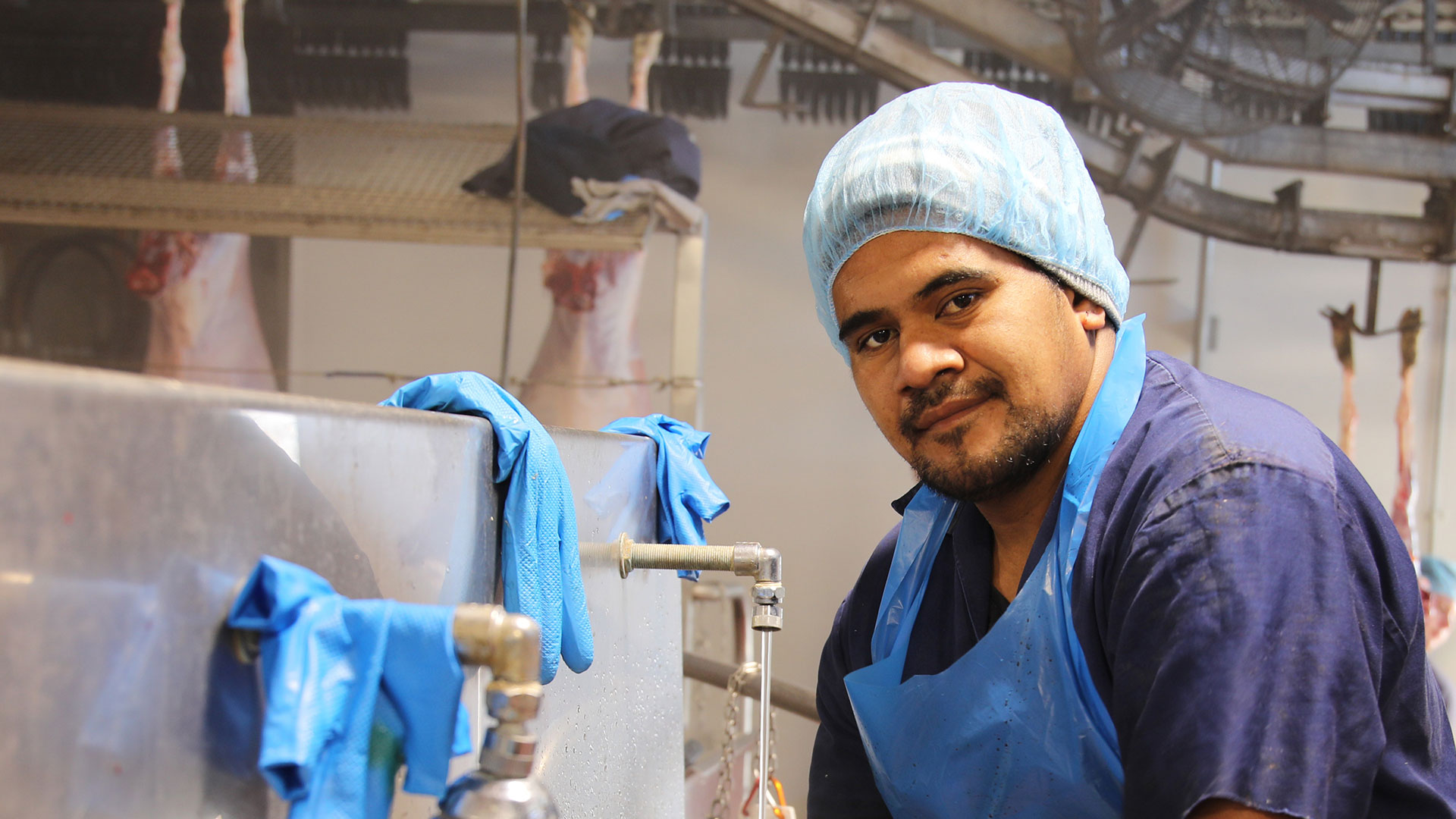
The Pacific Australia Labour Mobility (PALM) scheme allows eligible Australian businesses to hire workers from 9 Pacific countries and Timor-Leste when there are not enough local workers available.
Through the PALM scheme, eligible businesses can recruit workers for short-term jobs for up to 9 months or long-term roles for between one and 4 years in unskilled, low-skilled and semi-skilled positions.
The PALM scheme helps to fill labour gaps in rural and regional Australia and nationally for agriculture and select agriculture-related food product manufacturing sectors by offering employers access to a pool of reliable, productive workers. It also allows Pacific and Timor-Leste workers to take up jobs in Australia, develop their skills and send income home.


Fuel supply update and temporary transport plan process
The Department of Employment and Workplace Relations (the department) continues to monitor potential impacts of fuel supply pressures on PALM scheme employers and workers.
Australia's fuel supply remains secure and fuel continues to flow across the country, although some localised supply pressures may occur.
PALM scheme employers are expected to continue meeting their obligations under the PALM scheme Approved Employer Deed of Agreement and PALM scheme Approved Employer Guidelines, including transport and worker welfare and wellbeing arrangements.
To support employers where fuel supply issues result in higher transport costs, the department has introduced a temporary process for requesting transport plan variations. A step-by-step guide to the temporary transport plan variation process is available on the PALM scheme website. Employers must seek departmental approval before implementing any transport plan changes.
For further information, employers can contact their relationship manager or the PALM scheme support service via phone on (1800 51 51 31) or email (palm@dewr.gov.au).
For the latest information on fuel supply, measures supporting businesses and more, visit fuelplan.gov.au.
Approved employers no longer in the PALM scheme
Since 1 January 2026, the Department of Employment and Workplace Relations has terminated the PALM scheme Deed of Agreement of Approved Employer:
- King Producers Management Team Pty Ltd (Kings Producers) due to non-compliance with the Deed. There were no PALM scheme workers employed by King Producers at the time of termination.
- iComply Horticultural Compliance Specialists Pty Ltd (iComply) due to non-compliance with the Deed. All PALM scheme workers were redeployed to other approved employers before termination, and the department continues to support workers through the transition.
Want to join the PALM scheme as an employer?
If you are an Australian business needing additional workers you may be able to source them through the PALM scheme. You will need to check your eligibility and the requirements you will need to meet.
Australian businesses can access PALM scheme workers either by applying to become an approved employer or recruiting through an approved PALM scheme labour hire company.
Learn more about becoming an approved employer.

Want to join the PALM scheme as a worker?
If you are a resident of one of the participating countries and want to apply to join the PALM scheme, you will need to check your eligibility and contact your country’s labour sending unit.
Learn more about signing up as a worker.
Supporting workers while they are living in Australia
The wellbeing of Pacific and Timor-Leste workers in Australia is of the highest priority for the Australian Government. All participating workers have the same rights and protections as Australian workers.
A range of measures is in place to protect workers, including stringent employer vetting, a rigorous monitoring and compliance framework, regular spot checks and a support service phone line. Workers are also encouraged and supported to connect to their local communities across Australia.
Learn more about PALM scheme employers' obligations to ensure workers are supported, or read the PALM scheme grievance management policy.